Purpose-led events venue stories rarely begin in a boardroom meltdown, yet that moment shaped everything that followed for Celia Gaze. Purpose-led events venue thinking did not arrive as a branding exercise or a marketing trend. Instead, it emerged from lived experience, stress, curiosity and a refusal to accept that profit should ever come before people. This conversation explores how The Wellbeing Farm grew from coursework into a nationally recognised, purpose-driven destination, and why its story resonates so deeply with founders, leaders and organisations seeking meaning as well as margin.
Purpose-led events venue thinking matters now more than ever. Business leaders increasingly ask how to build organisations that care for people, communities and the planet, while still remaining commercially viable. The journey behind The Wellbeing Farm offers rare honesty about what that path really looks like.
Businesses exploring deeper impact often begin with purpose-led business or practical guidance around a B Corp certification strategy
From NHS boardroom to building something entirely different
Returning from maternity leave, Celia stepped into a demanding NHS turnaround role focused on saving money. Pressure mounted quickly. Eventually, stress became impossible to ignore. During a boardroom meeting, her body forced the conversation to stop. That moment marked the end of one career and the start of something radically different.
Time away from work did not lead to rest. Instead, curiosity took over. Stress became an obsession. Learning followed. Rather than skim articles, Celia studied stress formally and began asking deeper questions. How could an environment actively reduce stress? What role do colour, space and nature play? Why do so many workplaces ignore human wellbeing altogether?
Those questions formed the foundation of a coursework project. Soon afterwards, that project turned into a real-world experiment. Her partner owned a neglected farm. The idea landed quickly. Without overthinking or perfect planning, Celia resigned from the NHS and committed fully.
Purpose-led events venue ambition did not arrive with a business handbook. Business knowledge was minimal. Courage, however, was not.
Passion, creativity and the reality of commercial decisions
Initially, The Wellbeing Farm became a container for everything Celia loved. Learning featured heavily. Cooking mattered. Animals felt essential. Events and parties inspired her. Creativity flowed easily. Yet enthusiasm alone does not equal a viable model.
Costs spiralled early. Renovation budgets overran. Focus scattered. At that stage, passion drove decisions more than clarity. A mentor assigned by the local authority delivered a turning point. After six weeks, finances looked alarming. Hard truths followed.
One sentence shifted everything. You can only sell each day once.
Focus emerged from constraint. Weddings became the single priority. Income stabilised. Momentum returned. Purpose-led events venue thinking did not disappear. Instead, it found a commercial anchor. Founders facing similar challenges often benefit from a strategic business focus workshop [INTERNAL LINK TO: Strategic Business Focus Workshop].

Purpose as a differentiator, not a slogan
Leaving a meaningful NHS career to chase profit alone never felt right. The Wellbeing Farm always existed to help people. Corporate sameness held no appeal. Even the toilets told a story. Sustainability featured from the start, driven partly by values and partly by necessity. Second-hand sourcing became a creative joy rather than a compromise.
As a result, the venue developed an eclectic, playful identity. Guests noticed immediately. Experience replaced transaction. Purpose-led events venue culture became tangible, not theoretical.

Customers responded because authenticity travels faster than advertising.
Purpose experienced through people and culture
Employee experience offers one of the clearest reflections of purpose. An independently assessed staff survey placed The Wellbeing Farm in the top ten percent of companies overall. Hospitality wages remain challenging, even within B Corp frameworks. Despite that, staff consistently described fun, freedom and creativity as their reasons for staying.
Rather than limiting young people, Celia expanded their possibilities. Job titles carried meaning. Opportunities appeared early. Career interviews happened regardless of age. A teenage waitress became a Cyber Officer. Another team member built and delivered a sold-out ABBA-themed event with full responsibility and trust.
Mistakes happened. Learning followed. Ideas never faced ridicule. Transparency shaped culture. Financial figures stayed visible. Processes evolved continually.
Influence from Traction helped formalise systems, ensuring events ran smoothly without constant founder presence. Over time, the business learned to operate independently. Freedom followed.
Purpose-led events venue leadership allowed Celia to step back while impact continued.
Stakeholders, community and the ripple effect of hospitality

Stakeholders extend beyond customers and staff. Suppliers, local authorities, collaborators and neighbours all play a role. For same-sex weddings and other specialist events, alignment matters deeply. Sustainability stretches beyond recycling bins. Every supplier undergoes scrutiny, from food to entertainment to decor.
Local partnerships thrive. Transport providers benefit. Accommodation fills. Nearby pubs see increased trade. Hospitality fuels community economies more than many realise.
Purpose-led events venue operations create value far beyond the farm gate.
Redefining success beyond financial years
Success rarely arrives neatly within annual accounts. Reviews matter more. Guest memories matter most. Re-bookings signal trust. Invitations to speak indicate influence. Hosting B-Fest and welcoming the B Corp board represent milestones rooted in values rather than revenue alone.
Awards feel nice. Reviews feel essential.
What B Corp truly means in practice
B Corp status matters, although not for the badge alone. The framework clarified priorities. Charitable work expanded. Staff wellbeing gained structure. Sustainability gained accountability. The assessment process delivered insight comparable to expensive consultancy, without losing independence.
Evidence increasingly matters. Purpose-led events venue credibility now relies on proof, not claims. B Corps often grow faster, attract aligned clients and access broader funding opportunities. Rigour builds trust. The certification framework is overseen by B Lab UK, which sets the assessment standards used globally.
Organisations considering certification can explore a becoming a certified B Corp guide [INTERNAL LINK TO: Becoming a Certified B Corp Guide] to understand the process in practical terms.
Purpose without accountability risks becoming noise.
Looking ahead while staying grounded
Accommodation intentionally remained off-site for years, allowing local businesses to benefit. Recently, glamping joined the picture. Solar ambitions continue despite frustrating sales practices. Grant structures influence timing. Technology evolves, including AI-driven enquiry systems to improve responsiveness.
Speaking opportunities expand reach. Recognition through awards and festivals offers validation. Yet the core vision remains unchanged. One special place beats expansion for expansion’s sake. Lifestyle matters.
Purpose-led events venue leadership allows work to fit life, not replace it.
Llamas, bow ties and the power of joy
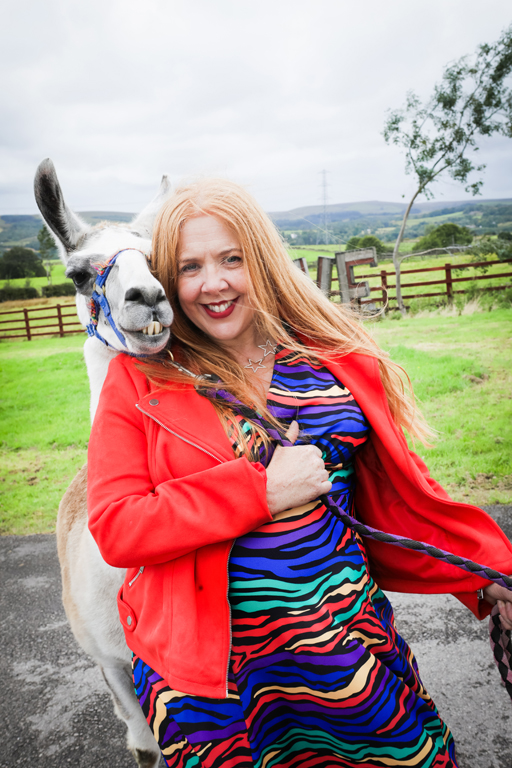
Research into stress reduction led Celia to animal-assisted experiences long before they became mainstream. Llama trekking emerged through curiosity and experimentation. Early reactions ranged from confusion to concern. Financial pressure peaked. Bankruptcy loomed.
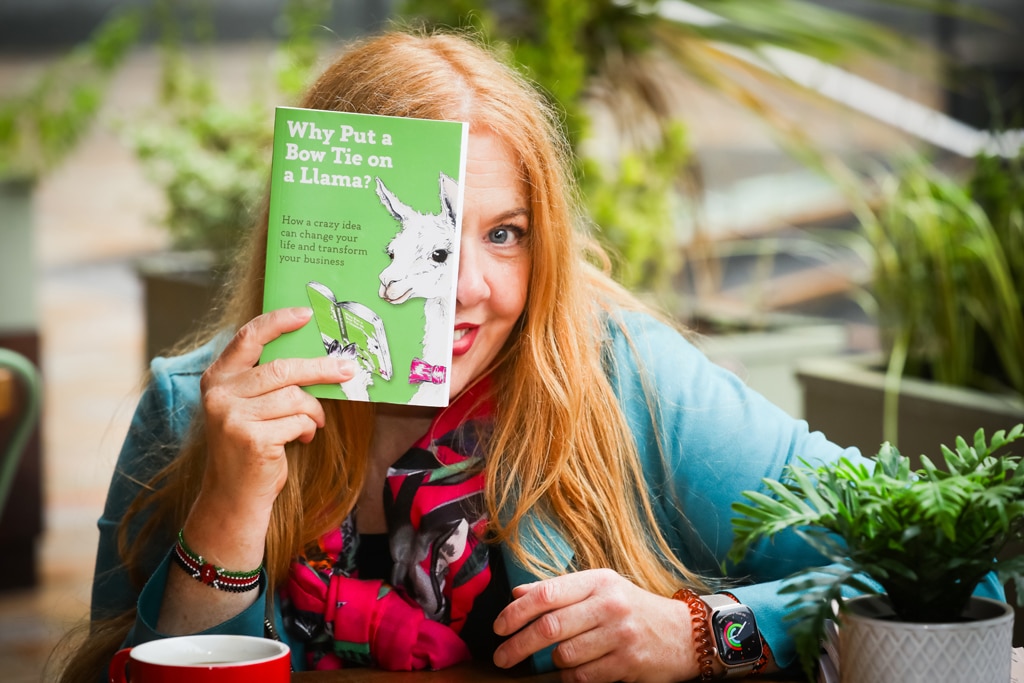
A simple, joyful idea changed everything. Bow ties appeared. A photo reached Facebook. Weddings jumped from two per year to sixty-eight.
Joy connected instantly. Uniqueness cut through. Purpose-led events venue magic became visible and shareable.
Failure played its part. Meltdowns led to breakthroughs. Near-bankruptcy sparked creativity. Lockdowns created space for reflection. Every setback shaped the story.

Conscious Day and the power of pausing
Conscious Day emerged from contrast. Time in Africa revealed different rhythms. Connection replaced constant distraction. Returning home highlighted how rarely people pause.
The initiative invites individuals and organisations to reflect intentionally. Strategic thinking meets human values. One hour counts. One day transforms. Questions matter more than answers.
Celebration plans focus on leading by example. Nature walks without headphones. Candle-lit reflection. Shared meals. Honest conversations. Collective exploration of what it means to be a force for good.
Longer-term ambitions include collaboration with local councils, integration within B Corp Month and exploration of global recognition. Change often starts quietly.
Purpose-led events venue leadership invites others to pause without preaching.
The real challenges of purpose-led business
Purpose slows decisions. Research replaces shortcuts. Cost comparisons include values. Convincing others takes patience. Financial reports share space with impact reports.
Resilience remains essential. ADHD fuels energy and ideas. Burnout appears occasionally. Recovery follows. A strong team anchors everything.
Freedom grows alongside trust.
Wellbeing as practice, not perfection
Wellbeing remains a work in progress. Reiki sessions support balance. Daily dog walks ground energy. Cooking restores joy. Travel inspires creativity. Freedom replaces guilt.
Purpose-led events venue ownership blurs work and passion deliberately. Some days stretch long. Others stay empty. Inspiration guides choices.
Twelve years transformed habits. Presence replaced pressure.
Advice for founders exploring purpose
Differentiation matters. Values must shape operations, not sit on websites. Sustainability belongs alongside pricing and processes. Trust builds through evidence. Documentation empowers teams.
The ultimate test remains simple. Could the business run without its founder? At The Wellbeing Farm, the answer is yes.
Purpose-led events venue success does not remove the founder. Instead, it frees them.